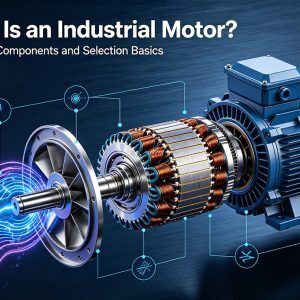
موتورهای صنعتی، اسبهای کاری ساکت پشت تولید مدرن هستند. آنها پمپها، فشاردها، نقالهها، پروانهها، مخلوطکنها، ابزارهای ماشینی، بلندکنندهها، خردکنها، خطهای بستهبندی و بیشمار سیستم دیگر را به حرکت درمیآورند که انرژی الکتریکی را به حرکت مکانیکی مفید تبدیل میکنند. در کارخانهها، پالایشگاهها، انبارها، تأسیسات خدمات عمومی و تاسیسات پردازش، موتور مناسب میتواند زمان کارکرد را افزایش دهد، ضایعات انرژی را کاهش دهد و عملیات حیاتی را با روانی ادامه دهد.
درک اصول اولیه وقتی که در حال انتخاب تجهیزات، بررسی علائم خرابی، برنامهریزی نگهداری یا مقایسه انواع موتورهای صنعتی هستید، بسیار مفید است. این راهنمایی موتورهای صنعتی را به شکلی عملی توضیح میدهد که شامل اصول موتورهای الکتریکی، اجزای اصلی، طراحیهای رایج، سیستمهای کنترل موتور و اصول تحلیل عملکرد موتور میشود.
موتور صنعتی چه کار میکند
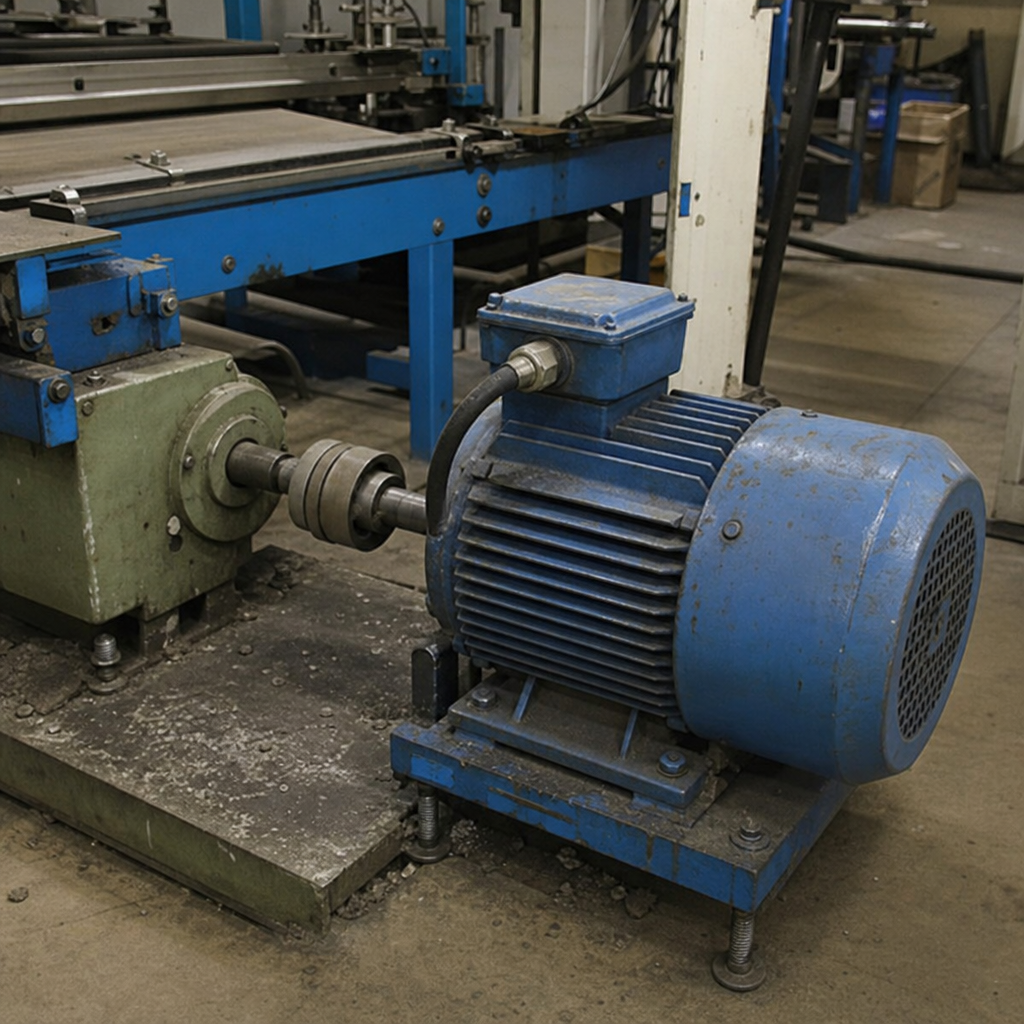
موتور صنعتی، دستگاهی است که برای تبدیل انرژی الکتریکی به انرژی مکانیکی در کاربردهای سنگین یا مداوم طراحی شده است. برخلاف موتورهای کوچک مصرفی، موتورهای صنعتی معمولاً برای محیطهای سختگیرانه ساخته میشوند که در آنها بارها ممکن است بزرگ باشد، ساعات کار طولانی باشد و اعتمادپذیری ضروری باشد.
خروجی یک موتور معمولاً به شکل حرکت چرخشی از طریق یک محور بیان میشود. این محور میتواند مستقیماً یک ماشین را به حرکت درآورد یا از طریق نوارها، جعبههای گیره، کوپلینگها، زنجیرها یا سیستمهای مکانیکی دیگر قدرت را منتقل کند. موتور باید به گونهای اندازهگیری و کنترل شود که بتواند گشتاور و سرعت مورد نیاز را بدون گرم شدن بیش از حد، ایست کردن یا از دست دادن انرژی زیادی ارائه دهد.
به زبان ساده، سوال «موتور صنعتی چیست؟ اصل کارکرد و اجزای اساسی» به این مسئله ختم میشود: موتور صنعتی از نیروی الکترومغناطیسی برای ایجاد حرکت کنترلشده استفاده میکند و طراحی آن به بار، محیط، چرخه کار، نیاز به سرعت و روش کنترل بستگی دارد.
اصل اساسی عملکرد
بیشتر موتورهای الکتریکی صنعتی بر اساس ارتباط بین الکتریسیته و مغناطیس کار میکنند. هنگامی که جریان از یک رسانا عبور میکند، میدان مغناطیسی ایجاد میشود. هنگامی که این میدان مغناطیسی با میدان مغناطیسی دیگری تعامل میکند، نیرویی ایجاد میشود. در داخل موتور، این نیرو به گونهای تنظیم شده است که چرخش ایجاد کند.
اصول کلی کارکرد میتواند در چهار مرحله فهمیده شود:
- انرژی الکتریکی وارد موتور میشود.بسته به نوع موتور، انرژی از منبع AC یا DC تأمین میشود.
- میدانهای مغناطیسی ایجاد میشوند.پیچهای مغناطیسی، مغناطیسهای دائمی یا هر دو، در داخل موتور میدانهای الکترومغناطیسی ایجاد میکنند.
- روتور تحت تأثیر نیرو قرار میگیرد.تعامل مغناطیسی بین قسمتهای ثابت و چرخان گشتاور ایجاد میکند.
- محور بار را میچرخاند.رотор به یک محور متصل میشود که قدرت مکانیکی را به تجهیزات مورد استفاده انتقال میدهد.
این اساس نظریه موتورهای الکتریکی است. هرچند موتورهای مختلف این فرآیند را به شیوههای مختلف انجام میدهند، اما مفهوم اصلی همچنان یکسان است: تعامل کنترلشده مغناطیسی، حرکت مکانیکی را ایجاد میکند.
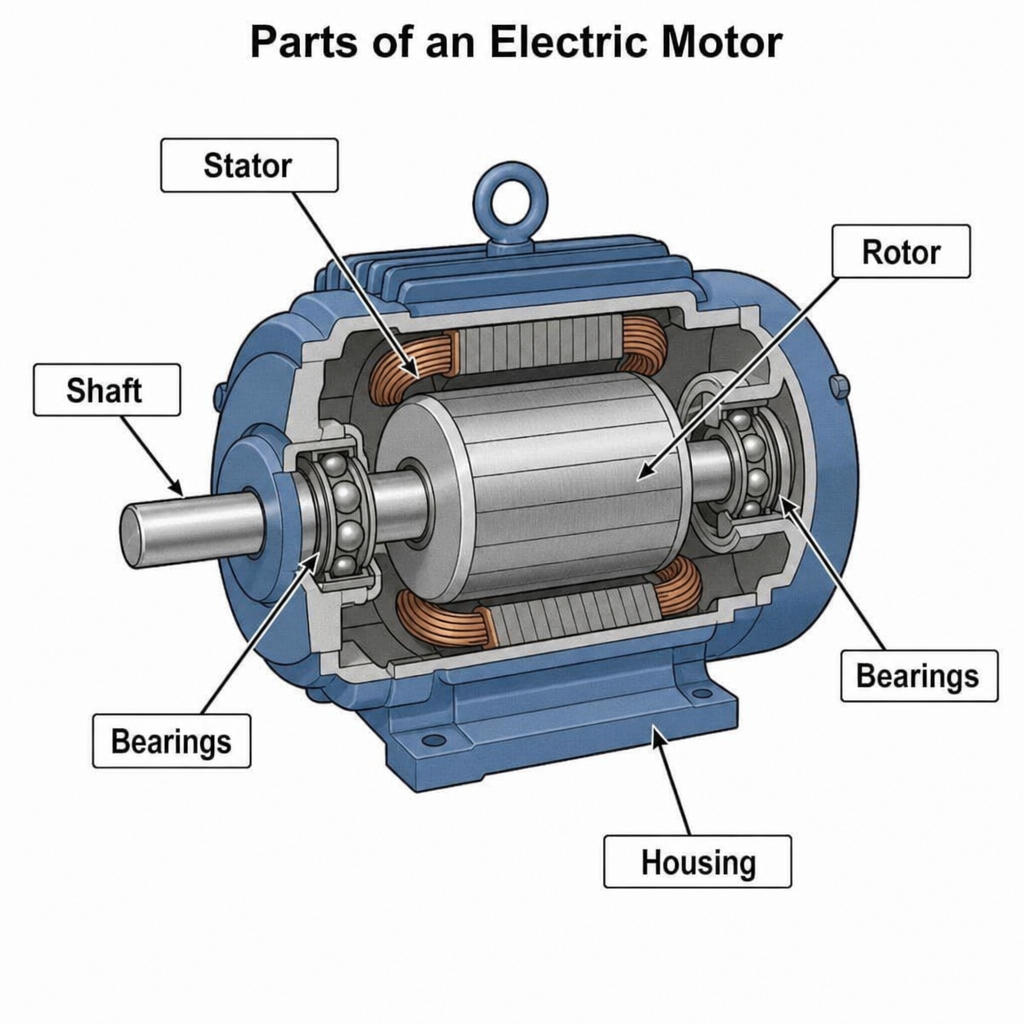
اجزای کلیدی موتور صنعتی
اگرچه طراحیهای موتورها متفاوت است، اما بیشتر موتورهای صنعتی چندین قطعه اصلی مشترک دارند.
Stator
استاتور بخش ثابت موتور است. در بسیاری از موتورهای جریان متناوب، استاتور شامل هستههای فلزی لامینه شده و پیچهای مسی یا آلومینیومی است. وقتی به آن ولتاژ داده میشود، استاتور میدان مغناطیسی ایجاد میکند. در موتور ایجادی، این میدان چرخشی ایجاد کرده و جریان را در راتور القا میکند.
Rotor
راتور بخش چرخان داخل استاتور است. این قسمت به میدان مغناطیسی واکنش نشان داده و محور موتور را میچرخاند. طراحیهای راتور با نوع موتور متفاوت است. به عنوان مثال، راتورهای قفس سنجابی در موتورهای ایجادی جریان متناوب رایج هستند، در حالی که راتورهای پیچیده در برخی کاربردهایی استفاده میشوند که نیازمند ویژگیهای خاص شروع یا سرعت هستند.
Windings
پیچها حلقههایی از سیم موصل هستند که جریان را حمل کرده و میدان مغناطیسی ایجاد میکنند. کیفیت عایقبندی آنها مهم است زیرا گرما، ارتعاش، آلودگی و استرس ولتاژ همه میتوانند عمر موتور را کاهش دهند.
Shaft
محور، گشتاور را از راتور به ماشین مورد استفاده انتقال میدهد. باید به اندازهای قوی باشد تا بتواند بار مکانیکی را تحمل کند و به درستی هماهنگ شده باشد تا از ارتعاش، خوردگی بلبرینگ و آسیب به کوپلینگ جلوگیری شود.
Bearings
بلبرینگها راتور را پشتیبانی میکنند و چرخشی آرام را امکانپذیر میسازند. مشکلات بلبرینگ از شایعترین علل خرابی موتورها هستند، بهخصوص در محیطهایی که لبریکاسی ضعیف، آلودگی، عدم هماهنگی یا ارتعاش زیاد وجود دارد.
چارچوب و قاب
قابلمه اجزای داخلی را محافظت میکند و پشتیبانی ساختاری را فراهم میکند. همچنین به تخلیه گرما کمک میکند. بسته به محیط، قاب ممکن است باز، محاصره شده، با تهویه، مقاوم در برابر شستشو، محافظت از انفجار یا به صورت دیگری برای شرایط عملیاتی خاص طراحی شده باشد.
سیستم خنککننده
موتورهای صنعتی در حین کار گرما تولید میکنند. سردکننده ممکن است توسط فنهای خارجی، جریان هوای داخلی، سردکننده مایع یا طراحی قاب فراهم شود. سردکننده مناسب ضروری است زیرا گرمای زیاد میتواند به عایق، لولهها و روغنهای مورد استفاده آسیب برساند.
جعبه پایانی
جعبه پایانهها محل اتصالات الکتریکی را در خود جای میدهد. این جعبه مکانی محافظتشده برای وصل کردن موتور به منبع تغذیه و تجهیزات کنترل ارائه میدهد.
انواع رایج موتورهای صنعتی
انتخاب بین انواع موتورهای صنعتی به کنترل سرعت، گشتاور شروع، کارایی، محیط عملیاتی، نیاز به نگهداری و هزینه بستگی دارد.
موتورهای ایندکشن AC
موتورهای ایندکشن AC از رایجترین موتورهای صنعتی هستند. آنها مقاوم، نسبتاً ساده و برای پمپها، فنها، نقلوانتقالها، فشاردها و ماشینآلات عمومی مناسب هستند. جریان راتور آنها توسط میدان مغناطیسی چرخان استاتور القا میشود، به این معنی که در طراحیهای رایج قفسسنجابی هیچ اتصال الکتریکی مستقیمی به راتور وجود ندارد.
موتورهای همزمان
موتورهای سنکرون با سرعتی مطابق با فرکانس تغذیه چرخش میکنند. آنها زمانی استفاده میشوند که سرعت دقیق مهم است یا اصلاح عامل قدرت مفید است. در کاربردهای بزرگ صنعتی میتوانند کارایی بالایی داشته باشند، اما ممکن است نیازمند سامانههای شروع و کنترل پیچیدهتری باشند.
موتورهای DC
موتورهای DC کنترل قوی سرعت و گشتاور شروع بالا را فراهم میکنند. از آنها به طور تاریخی در کاربردهایی مانند بلندکردها، آسانسورها، ملههای غلتکی و ماشینآلات با سرعت قابل تنظیم استفاده شده است. با این حال، بسیاری از کاربردهای DC توسط موتورهای AC همراه با دیوارهای مدرن جایگزین شدهاند.
موتورهای سروو
موتورهای سرو برای کنترل دقیق موقعیت، سرعت و گشتاور طراحی شدهاند. آنها در رباتیک، ماشینهای CNC، سیستمهای بستهبندی و تجهیزات ساخت و ساز خودکار رایج هستند.
موتورهای جریانپذیر
موتورهای استپری در گامهای جداگانه حرکت میکنند، بنابراین برای کارهای موقعیتگذاری مناسب هستند. آنها در سیستمهای اتوماسیون کوچکتر، تجهیزات شمارش و کاربردهایی که نیازمند حرکت کنترلشده بدون بازخورد پیچیده در هر مورد هستند، رایج هستند.
درک گشتاور، سرعت و قدرت
عملکرد موتور به شدت به گشتاور، سرعت و قدرت بستگی دارد.
Torque گشتاور نیروی چرخشی است. یک موتور باید گشتاور کافی برای شروع و حرکت دادن بار تولید کند. تجهیزات با اینرسی بالا، نقلوانتقالهای باردار، آسیابها و پمپهای جابجایی مثبت ممکن است نیازمند گشتاور شروع قابل توجهی باشند.
Speed سرعت چرخشی است که محور موتور در آن اتفاق میافتد، معمولاً با عدد دور در دقیقه اندازهگیری میشود. نیازهای سرعت به تجهیزات محرک بستگی دارد و ممکن است ثابت یا متغیر باشد.
Power نرخ انجام کار مکانیکی است. این نرخ هم با گشتاور و هم با سرعت مرتبط است. موتوری با قدرت ناکافی ممکن است داغ شود، دستگاههای محافظتی را مسدود کند یا بهطور زودهنگام از کار بیفتد.
تحلیل عملکرد موثر موتور هر سه را در نظر میگیرد. همچنین کارایی، الگوی بار، افزایش دما، ارتعاش، کیفیت توان، چرخه کار و محیط عملیاتی را نیز ارزیابی میکند.
سیستمهای کنترل موتور
سیستمهای کنترل موتور نحوه شروع، متوقف شدن، شتابدهی، کاهش سرعت و پاسخ به نیازهای فرآیند را مدیریت میکنند. سادهترین کنترل ممکن ممکن است یک شروعکنندهی مستقیم باشد که موتور را با ولتاژ کامل روشن میکند. سیستمهای پیشرفتهتر عملکردی نرمتر و مدیریت بهتر انرژی را فراهم میکنند.
تجهیزات رایج کنترل موتور عبارتند از:
- شروعکنندههای دستیبرای کنترل سادهی روشن/خاموش و محافظت از بار زیاد.
- کنتاکتورهای مغناطیسیبرای شکافهای کنترل الکتریکی.
- رلیهای بارگذاری زیادتا از جریان زیاد و گرم شدن بیش از حد محافظت کند.
- Soft startersتا جریان ورودی و شوک مکانیکی در زمان شروع را کاهش دهد.
- دیوارههای ترکیبی فرکانس متغیرتا سرعت موتور AC را با تعدیل فرکانس و ولتاژ کنترل کند.
- دیوارههای سرووبرای کنترل دقیق حرکت در سیستمهای خودکار.
- کنترلکنندههای منطقی قابل برنامهریزیتا موتورها را با حسگرها، دستگاههای ایمنی و منطق فرآیند هماهنگ کند.
سیستمهای کنترل موتور مدرن میتوانند کارایی را بهبود ببخشند، استرس مکانیکی را کاهش دهند، به خودکارسازی کمک کنند و دادههای تشخیصی برای تیمهای نگهداری ارائه دهند.
کارایی و استفاده از انرژی
موتورهای صنعتی میتوانند سهم قابل توجهی از انرژی تأسیسات را مصرف کنند. حتی بهبودهای کوچک در کارایی نیز مهم هستند وقتی موتورها ساعتهای طولانی کار میکنند. یک موتوری که بزرگتر از نیاز باشد، بهدرستی کنترل نشده باشد، غیرمحوری باشد یا تحت شرایط بار غیرعادی کار کند، ممکن است انرژی را هدر دهد و عمر خدمتی کوتاهتری داشته باشد.
برای بهبود کارایی موتور، تأسیسات اغلب به دنبال:
- انتخاب موتوری با اندازهی مناسب برای بار واقعی.
- استفاده از طراحیهای موتور با کارایی بالا وقتی مناسب است.
- استفاده از موتورهای کنترل فرکانسی در کاربردهای با بار متغیر.
- حفظ هماهنگی و روغنکشی مناسب.
- پاکسازی و تمیز کردن مسیرهای خنککننده.
- پایش نابرابری ولتاژ و کیفیت توان.
- جایگزین کردن لولههای خوردگیشده قبل از آنکه به آسیب ثانویه منجر شوند.
کارایی فقط به خود موتور مربوط نمیشود. سیستم کامل محرک نیز مهم است، از جمله پمپها، فنها، ریسمانها، گیربکسها، شیرها، دامپرهای کنترل و سیستمهای کنترل فرآیند.
مبانی تحلیل عملکرد موتور
تحلیل عملکرد موتور به تعیین این امر کمک میکند که آیا موتور به صورت صحیح و کارآمدی کار میکند یا خیر. این کار میتواند در دورههای کمیسیوندهی، نگهداری پیشگیرانه، حل مشکلات یا بررسیهای انرژی انجام شود.
عوامل مهم عبارتند از:
- کشیدن جریان:جریان بالا میتواند نشاندهنده بار زیاد، ولتاژ پایین، گیر کردن مکانیکی یا مشکلات در سیمپیچها باشد.
- تعادل ولتاژ:نابرابری ولتاژ میتواند باعث گرم شدن بیش از حد و کاهش عمر موتور شود.
- دمای کار:گرمای زیاد میتواند به بار زیاد، سیستم خنککننده ضعیف، مشکلات عایقبندی یا استرس محیطی اشاره داشته باشد.
- ارتعاش:لرزش غیرعادی میتواند نشاندهنده عدم هماهنگی، نابرابری، خوردگی لولهها، شل شدن قطعات یا رزونانس باشد.
- صدای موتور:تغییرات صدا میتواند مشکلات لولهها، خطاهای الکتریکی یا تماس مکانیکی را آشکار کند.
- حالت عایقکاری:آزمایشها میتوانند قبل از وقوع خرابی، وضعیت وخیمتر را شناسایی کنند.
- پروفایل بار:درک شرایط عملیاتی واقعی به تأیید این امر کمک میکند که آیا موتور به درستی اندازهگیری شده است یا خیر.
یک تحلیل خوب ترکیبی از اندازهگیریهای الکتریکی، بازرسی مکانیکی، دادههای عملیاتی و دانش کاربرد است.
اعتبارات انتخاب عملی
انتخاب یک موتور صنعتی تنها به معنای مطابقت قدرت اسبی نیست. کاربرد باید تصمیمگیرنده باشد.
اعتبارات کلیدی شامل موارد زیر است:
- گشتاور مورد نیاز در زمان راهاندازی و طی عملیات.
- سرعت عملیاتی مورد نظر و اینکه آیا سرعت باید متغیر باشد یا خیر.
- چرخه کاری، از جمله عملیات دائمی، متناوب یا چرخهای.
- دمای محیط، رطوبت، غبار، مواد شیمیایی و مقاومت در برابر شستشو.
- در صورت وجود، الزامات منطقه خطرناک.
- منبع تأمین انرژی و ولتاژ موجود.
- ساختار نصب و محدودیتهای فضایی.
- اهداف بهرهوری و هزینههای عملیاتی.
- سازگاری با کنترلهای فرکانسی، شروعکنندهها، سنسورها و سیستمهای کنترل.
- دسترسی به نگهداری و عمر خدمتی انتظاری.
وقتی این عوامل نادیده گرفته میشوند، نتیجه میتواند سفرهای مزاحم، گرم شدن بیش از حد، کنترل ضعیف فرآیند، خوردگی زودرس یا مصرف غیرضروری انرژی باشد.
روشهای بهتر برای عملکرد مطمئن
عملکرد مطمئن یک موتور به نصب، پایش و نگهداری مناسب بستگی دارد. روشهای مناسب شامل هماهنگی دقیق موتور و تجهیزات محرک، محکم کردن اتصالات الکتریکی، استفاده از تنظیمات مناسب بار زیاد، حفاظت از تهویه مناسب و رعایت توصیههای روغنکشی است.
تسهیلات باید بعد از نصب، اعداد پایه را نیز ثبت کنند. جریان، ولتاژ، لرزش، دمای و سطح صدا نقاط مرجعی مفید برای حل مشکلات آینده هستند. با گذشت زمان، دادههای روند میتوانند قبل از وقوع خرابی، تخریب تدریجی را آشکار کنند.
نکات نهایی
موتورهای صنعتی برای حرکت، اتوماسیون و بهرهوری صنعت مدرن ضروری هستند. عملکرد آنها بر پایه اصول موتور الکتریکی است: جریان برق میدان مغناطیسی ایجاد میکند، تعامل مغناطیسی گشتاور ایجاد میکند و گشتاور محور را میچرخاند تا کار مفیدی را انجام دهد.
با درک نظریه موتورهای الکتریکی، اجزای اصلی، انواع موتورهای صنعتی، سیستمهای کنترل موتور و تحلیل عملکرد موتور، مشغلگران و مهندسان میتوانند در مورد انتخاب، نگهداری، کارایی و اعتمادپذیری تصمیمات بهتری بگیرند. یک موتور بهدرستی انتخابشده و بهخوبی نگهداریشده، فراتر از تأمین قدرت تجهیزات، عملکرد ایمنتر، زمانهای خرابی کمتر و تولید قابل پیشبینیتری را نیز تأمین میکند.