
نصب موتورهای پیشران صنعتی در بازارهای جهانی فقط یک کار برقی نیست. این یک فرآیند تطبیق، ایمنی، اعتمادپذیری و ثبتنام است که باید به قوانین منطقهای، رتبهبندی تجهیزات، طراحی ماشین، شرایط محیطی و قابلیت خدماترسانی بلندمدت توجه کند. این دستورالعمل نحوه پیگیری استانداردهای نصب موتورهای پیشران صنعتی برای بازارهای جهانی را در پروژههای عملی توضیح میدهد، با بهترین روشهای نصب که به تیمها کمک میکند تا قبل از برقدهی به تجهیزات، خطر را کاهش دهند.
استانداردهای نصب جهانی چه چیزهایی را الزام میکنند؟
استانداردهای نصب جهانی تقاضا میکنند که موتورهای پیشران صنعتی به گونهای انتخاب، نصب، سیمکشی، محافظت، آزمایش، ثبت و نگهداری شوند که به قوانین بازار مقصد برسند. الزامات دقیق با توجه به کشور، صنعت و کاربرد متفاوت است؛ بنابراین ایمنترین روش، طراحی بر اساس چارچوبهای بینالمللی شناختهشده است و همچنین تأیید مقررات محلی قبل از حمل و نقل، راهاندازی یا تحویل است.
موتورهای پیشران صنعتی اغلب در تقاطع نیازهای متعدد قرار دارند. یک محرک فرکانس متغیر ممکن است باید به قوانین ایمنی برق، انتظارات سازگاری الکترومغناطیسی، الزامات ایمنی ماشین، رتبهبندی قفسههای محافظ، روشهای زمینگذاری، محدودیتهای حرارتی و قوانین برچسبگذاری برسد. اگر محرک بخشی از یک ماشین بزرگتر باشد، ممکن است سیستم کلی به جای تنها محرک ارزیابی شود.
در پروژههای جهانی، استانداردها باید به عنوان ورودی طراحی مورد استفاده قرار گیرند، نه به عنوان یک لیست بررسی نهایی. وقتی تطبیق فقط در مرحله پایانی در نظر گرفته میشود، تیمها ممکن است متوجه شوند که فاصلههای پنل، اندازهگیری رسانهها، محافظت از جریانهای زیاد، علامتگذاری، مستندات یا حفاظت از محیط باید بعد از نصب تغییر کنند.
خانوادههای اصلی استانداردها برای در نظر گرفتن
بیشتر نصبهای بینالمللی محرکها به ترکیبی از الزامات جهانی، منطقهای و محلی اشاره میکنند. نامها و سازوکارهای اجرایی متفاوت هستند، اما هدف عملی یکسان است: حفاظت از افراد، تجهیزات و سیستمهای اطراف.
مناطق مشترک برای ارزیابی شامل موارد زیر میشود:
- امنیت الکتریکی:محافظت علیه شوک، آتش، بارگذاری زیاد، قصر مدار و دسترسی غیرمجاز.
- امنیت ماشین:توقف ایمن، ترکیبی از محافظت، عملکرد اضطراری و کاهش خطر.
- سازگاری الکترومغناطیسی:محدود کردن تداخل و اطمینان از کارکرد مطمئن تجهیزات اطراف.
- طراحی پنل و قاب:فاصلهگذاری مناسب، مدیریت حرارتی، محافظت از نفوذ مواد و توزیع قطعات.
- زمینگذاری و پیوند:مسیرهای کنترلشده خطا، کاهش سر و صدا و حفاظت از نیروی انسانی.
- سازگاری با محیط زیست:دمای بالا، رطوبت، گرد و غبار، ارتعاش، معرض شستشو، اتمسفرهای خورنده و ارتفاع.
- مستندسازی و برچسبگذاری:ثبتهای واضح نصب، هشدارها، رتبهبندیها، اطلاعات سیمکشی و دستورالعملهای نگهداری.
یک درایو که در یک بازار قابل قبول است، هنوز ممکن است برای بازار دیگری نیازمند تغییرات باشد. به عنوان مثال، سنتهای رنگبندی رسانهها، ابزارهای جداکننده، مقادیر جریانهای کوتاهمدار، وسایل محافظتی، الزامات زبانی و علامتگذاریهای مطابقت با استانداردها میتوانند متفاوت باشند. به همین دلیل است که پروژههای متمرکز بر صادرات باید بازارهای هدف را قبل از شروع طراحی الکتریکی مشخص کنند.
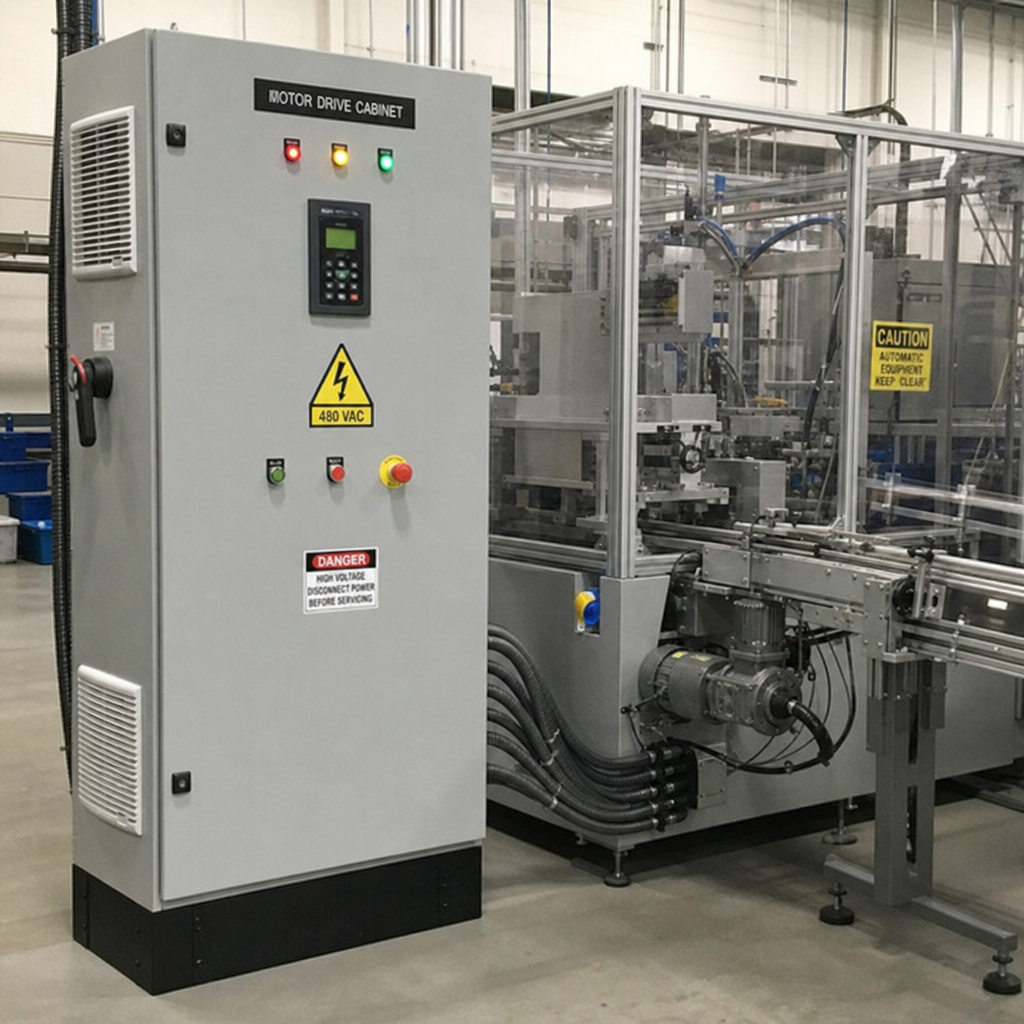
برنامهریزی نصب قبل از رسیدن درایو آغاز میشود
نصب مناسب یک درایو با بررسی کاربرد آن شروع میشود. تیم طراح باید بار موتور، چرخه کاری، محدوده سرعت، نیاز به سرعتگیری، ولتاژ تغذیه، جریان خطای موجود، شرایط محیطی، موقعیت قفسه و انتظارات خدماتی را درک کند. این جزئیات به اندازه قدرت اسبی یا مقدار کیلووات نیز بر انتخاب درایو تأثیر میگذارد.
یک فرآیند عملی برنامهریزی باید شامل:
- تأیید بازار مقصد.مشخص کردن محل نصب تجهیزات و تعیین مقررات مربوطه، چه از سوی نهادهای مرجع، چه از سوی مشخصات مشتری یا قوانین صنعتی.
- بررسی خطرات ماشین یا فرآیند.تعیین اینکه آیا درایو در عملکردهای ایمنی، توقفهای کنترلشده، مکانیزمهای ممانعت یا عملیاتهای اضطراری شرکت دارد یا خیر.
- چک کردن منبع تأمین برق.تأیید ولتاژ، مرحله، فرکانس، سیستم اتصال به زمین، ظرفیت کوتاهمدار و مسائل مربوط به کیفیت برق.
- انتخاب دستگاههای محافظتی.همافزایی فیوزها، قطعکنندههای مدار، جداکنندهها، راکتورها، فیلترها، سیستمهای محافظت از گردهمآیی و تجهیزات سرعتگیری با راهنماییهای سازنده درایو.
- پیشبینی کندوار را طراحی کنید.در نظر گرفتن شرایط تخلیه حرارت، شعاع انحنای کابلها، فواصل کاری، دسترسی به خدمات و جداکردن خطوط تغذیه و کنترل.
- تعیین نیازمندیهای مستندسازی.تهیه نقشهها، برچسبها، ثبت تنظیمات، گزارشهای آزمایش و دستورالعملهای نگهداری به زبان یا فرمت مورد نیاز.
این توالی به جلوگیری از اشتباه رایج مربوط به برداشت قطعهای از دیسک به عنوان یک اجزای مستقل کمک میکند. در عمل، نصب با توجه به عملکرد مجموعه کامل و امنیتی که میتواند به آن عمل کرد و نگهداری شود، ارزیابی میشود.
بهترین روشهای نصب اصلی
بهترین شیوههای نصب، عادتهای عملی هستند که طراحی مطابق با استانداردها را به عملکرد قابل اعتماد تبدیل میکنند. این شیوهها به ویژه برای بازارهای جهانی مهم هستند، زیرا یک طراحی فنی صحیح همچنان میتواند در بازرسی شکست بخورد یا باعث توقف غیرضروری شود، اگر کاربری ضعیف باشد.
نصب و فاصلهگذاری
دیسکها حرارت تولید میکنند و نیاز به جریان هوای مناسب دارند. آنها را در جهتی که توسط سازنده تأیید شده است، نصب کنید و فاصله کافی را در اطراف خنککنندهها، ونتها و نقاط خدماتی رعایت کنید. از قرار دادن اجزای کنترل حساس به حرارت مستقیماً بالای دیسکها خودداری کنید، مگر اینکه طراحی قفسهها، از جریان هوای گرم صعودی لحاظ شده باشد.
در پانلهای متراکم، بررسی حرارتی بسیار مهم است. وجود چندین دیسک، ترانسفورماتور، منبع تغذیه و مقاومتهای ترمز میتواند قفسه را از حد مجاز بالاتر ببرد. اگر از فنها، فیلترها یا سیستم تهویه هوا استفاده میشود، باید با محیط و ظرفیت نگهداری و تعمیرات امکانات مطابقت داشته باشند.
جدا سازی و جهتدهی سیمکشی
سیمکشی برق، سیمهای موتور، کابلهای بازخورد و سیمکشی کنترل ولتاژ پایین باید به گونهای مدیریت شوند که سردرگمی الکتریکی و اتصالات تصادفی کاهش یابد. سیمهای پرصد و محرک را از سیگنالهای آناگوگ، شبکههای ارتباطی، کدگذارها و مدارهای ایمنی دور نگه دارید. در مواردی که جداکردن غیرممکن است، از محافظت، سینکهای سیمکشی زمیندار، موانع فلزی یا انواع سیمهای معتبر استفاده کنید.
کیفیت پایانبندی سیمها نیز بسیار حائز اهمیت است. پایانبندیهای شل باعث افزایش حرارت و خطاهای متناوب میشود. پایانبندیهای بیش از حد محکم میتواند به سیمها یا سختافزار آسیب برساند. از مقدار گشتاور توصیهشده توسط سازنده پیروی کنید و در صورت لزوم، پایانبندیهای حساس را ثبت کنید.
زمینگیری، پیوند و محافظت از امواج الکترومغناطیسی
زمینکشی هم یک اقدام ایمنی و هم موضوعی عملکردی است. نصب دیسک باید مسیر زمینکشی محافظتی قابل اعتمادی را فراهم کند و همچنین سردرگمی فرکانسهای بالا را کنترل کند. پانلها، درها، صفحات نصب، محافظهای سیمکشی و قابهای موتور را مطابق با طراحی سیستم و قوانین محلی به هم متصل کنید.
اغلب از کابل موتور محافظتشده برای کاهش تداخل استفاده میشود، اما محافظت فقط زمانی موثر است که به درستی پایانبندی شود. پیگهای محافظتی بلند، سطوح زمینکشی نقاشیشده و روشهای ناهمگون زمینکشی میتوانند کارایی را کاهش دهند. برای نصبهای حساس، جزئیات زمینکشی را زودتر بررسی کنید تا بعد از راهاندازی مشکلحل نکنید.
تیمها باید چگونه با تفاوتهای منطقهای برخورد کنند؟
تیمها باید با تفاوتهای منطقهای برخورد کنند با ایجاد یک ماتریس امتثال برای هر بازار هدف و حل اختلافات قبل از تولید یا نصب. یک ماتریس امتثال نیازی به پیچیدگی ندارد؛ تنها هر نیاز بازار را به ویژگی طراحی، نقشه، برچسب، آزمایش یا سندی که آن را راضی میکند، متصل میکند.
اجسام مفید برای ردیابی عبارتند از:
- کشور یا منطقه مقصد
- مشخصات مشتری مربوطه
- کد برق یا چارچوب ایمنی که باید دنبال شود
- علامتهای یا اظهارات محصول مورد نیاز
- ظرف و انتظارات درجه بندی محیطی
- فرضیههای حفاظت از مدار کوتاه و جریان زیاد
- زبانهای لازم برای هشدارها و دستورالعملها
- مدارک بازرسی، راهاندازی و پذیرش
این رویکرد ارزشمند است زیرا بسیاری از مشکلات صرفاً فنی نیستند. یک پنل ممکن است به درستی عمل کند اما هنوز هم رد شود زیرا برچسبی ندارد، مدارک ناقص هستند یا درجه بندی لازم قابل مشاهده نیست. آمادگی جهانی به اندازه تحقق امتثال، به ثابت کردن آن نیز بستگی دارد.
آزمایش و تأیید عملکرد
راهاندازی تأیید میکند که محرک به شکل طراحی شده نصب شده و در کاربرد واقعی به صورت ایمن کار میکند. قبل از وصل کردن برق، نصب مکانیکی، محکم بودن کانکتورها، اتصال زمین، درجه بندی دستگاههای محافظ، وضعیت ظرف و مسیرهای خنککننده و سیمکشی را با طرحها مقایسه کنید.
پس از برقرسانی، تنظیمات پارامترها، جهت چرخش موتور، رفتار شتاب و کاهش سرعت، عملکرد ترمز، واکنش به خطاها، وضعیت ارتباطات و هر نوع عملکرد متوقف کننده مرتبط با ایمنی را تأیید کنید. تنظیمات نهایی را ثبت کنید تا تیمهای نگهداری بتوانند پس از تعویض یا حل مشکل، محرک را بازگردانند.
یک فهرست بررسی مفید برای راهاندازی شامل:
- دادههای تابلوی نامی با موتور و منبع تغذیه مقایسه شده
- دستگاههای محافظ به شکل مشخص شده نصب شدهاند
- سیمکشی برق، موتور، کنترل و ارتباط بررسی شدهاند
- زمینگیری و پیوند تأیید شده
- وضعیت تهویه و شرایط محیطی بررسی شدهاند
- پارامترها ذخیره و بازپشتی گیری شده
- هشدارها، محدودکنندههای متقابل و عملکرد متوقف کننده آزمایش شدهاند
- پس از تغییرات میدانی، مدارک به روز شدهاند
مستندسازی باعث قابل مدیریت شدن امتثال میشود
برای نصبهای جهانی، مستندات باید به قدری واضح باشد که برای بازرسان، عملیاتکنندگان، تیمهای نگهداری و گروههای بازسازی آینده قابل فهم باشد. شامل نمودارهای الکتریکی، لیست اجزا، تنظیمات محرک، دادههای دستگاههای محافظ، جداول کابلها، ارجاعات برچسبها، ثبتنام آزمایشها و راهنماییهای نگهداری باشد.
از تکیه بر حافظه یا یادداشتهای غیررسمی خودداری کنید. اگر یک فنی در زمان راهاندازی پارامتری را تغییر دهد، یک سیم را جابجا کند یا یک دستگاه محافظ را تعویض کند، مستندات نهایی باید این تغییر را منعکس کنند. ثبتنام دقیق زمانبردی را کاهش میدهد و به حفظ امتثال پس از تعمیرات کمک میکند.
مسیر عملی به آمادگی جهانی
استانداردهای نصب محرکهای صنعتی برای بازارهای جهانی بهتر است به عنوان یک فرآیند یکپارچه مدیریت شود: مقصد را مشخص کنید، طبق قوانین مربوطه طراحی کنید، با کارشناسی و دقت نصب کنید، قبل از راهاندازی تأیید کنید و سیستم نهایی را مستندسازی کنید. هدف فقط عبور از بازرسی نیست، بلکه ارائه یک نصب محرک است که در تمام دوره کارکرد خود امن، قابل نگهداری و قابل اعتماد باشد.
در صورت تردید، از طراحان الکتریکی معتبر، متخصصان قوانین محلی، سازنده محرک یا نهاد مسئول پذیرش استفاده کنید. پروژههای جهانی به توضیحات زودهنگام ارزش میدهند. هرچه استانداردها قبل از نصب دقیقتر مورد رسیدگی قرار گیرند، شگفتیهای کمتری در زمان راهاندازی، بازرسی و عملیات ظاهر میشود.